
11:00 am to 19:30 pm

Authentic Portuguese Handicrafts

Pottery, Embroidery & Filigree

Faience or Porcelain
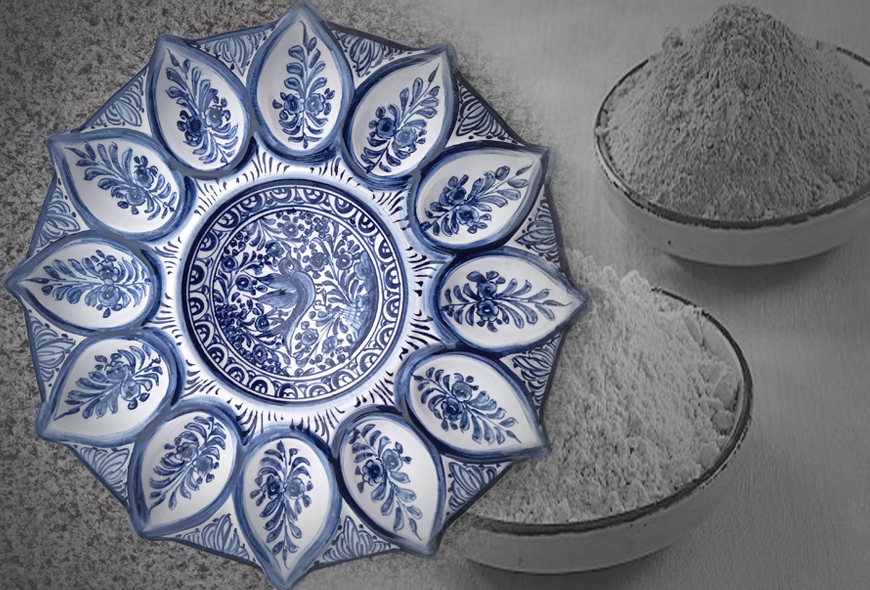
Faience or Porcelain
28 March, 2024

Very famous in Italy and Portugal, faience is a similar type of ceramic and belongs to the porcelain family, as it is produced with less kaolin than porcelain but is older and more traditional than porcelain.

Faience has porous masses of white or ivory color and requires subsequent glazing. They are used to create decorative pieces, dinner sets, tea sets, etc.

Porcelain is a variety of delicate ceramics made from raw materials with a high degree of purity (such as high-quality white clay, quartz, kaolin and feldspar). It receives two burns: the first at 850° C and the second, above 1300° C, which gives its white color.

Faiance does not require such high temperatures for its manufacture, varying between 1050° and 1150°C degrees.

Both porcelain and faience are made following the same processing steps, with modifications to the raw materials and clauses applied.

Faience more often shows cracks in the enamel surface due to aging, while porcelain is less affected over time. However, sometimes some cracks are deliberately made in the faience for decorative purposes, without this affecting the performance of the piece.

One of the main advantages of Faience, due to its porosity, is the wide possibility of decorating the pieces with freehand, which can be painted or metallic, with a variety of textures and vibrant colors.

Porcelain decoration is rarely done using freehand painting, which is due to its lack of porosity, which is why pewter (hollow mold), simulation application, transfer and use of fillets (or listel) are most often used.

Tips for distinguishing porcelain from faience:

  • Faience is usually glazed except for the base, while porcelain is glazed throughout.
  • Porcelain is translucent and allows light to pass through, while Faience is opaque.
  • Porcelain has a bell touch, while faience does not.


Comparison by material
Characteristic Earthenware / common clay Faience Stoneware Porcelain
Clay body Natural clay, often iron-rich and less refined More plastic clay body, less pure than porcelain Less refined clay body, denser and coarser High-quality white clay + kaolin
Kaolin content Usually low or absent Lower than porcelain Lower High (kaolin-rich body)
Quartz / sand Variable, often more rustic and irregular Less sandy, more homogeneous More sand, more granular texture Finer body, controlled mineral mix
Firing Lower temperature, usually below stoneware Lower temperature, roughly 1050–1150 °C High temperature, roughly 1100–1300 °C Very high temperature, often above 1300 °C
Porosity High, absorbs water unless glazed High, needs glaze for waterproofing Low, nearly vitrified Very low to nearly zero, vitrified
Body appearance Usually reddish, brownish or buff Whitens after firing and glazing, porous underneath Greyish, beige or warm-toned dense body White, fine and sometimes translucent in thin pieces
Durability More fragile, chips and breaks more easily More Delicate than porcelain but effective Strong and durable for everyday use Very hard, refined and durable
Typical use Rustic pottery, traditional clay cookware, decorative ware Decorative tableware and painted serving pieces Everyday tableware, oven-safe kitchenware when specified Fine tableware and thinner, more refined pieces
Hand-painted decoration Often easy to paint by hand; fairly common in traditional and rustic pottery Very common; faience is strongly associated with hand-painted decoration Common, especially in artisanal tableware, though also widely produced plain Less common overall in everyday tableware; Use of stencil or printed except premium pieces.

Earthenware / common clay

Clay body
Natural clay, often iron-rich and less refined
Kaolin content
Usually low or absent
Quartz / sand
Variable, often more rustic and irregular
Firing
Lower temperature, usually below stoneware
Porosity
High, absorbs water unless glazed
Body appearance
Usually reddish, brownish or buff
Durability
More fragile, chips and breaks more easily
Typical use
Rustic pottery, traditional clay cookware, decorative ware
Hand-painted decoration
Often easy to paint by hand; fairly common in traditional and rustic pottery

Faience

Clay body
More plastic clay body, less pure than porcelain
Kaolin content
Lower than porcelain
Quartz / sand
Less sandy, more homogeneous
Firing
Lower temperature, roughly 1050–1150 °C
Porosity
High, needs glaze for waterproofing
Body appearance
Whitens after firing and glazing, porous underneath
Durability
Delicate, more decorative than structural
Typical use
Decorative tableware and painted serving pieces
Hand-painted decoration
Very common; faience is strongly associated with hand-painted decoration

Stoneware

Clay body
Less refined clay body, denser and coarser
Kaolin content
Lower
Quartz / sand
More sand, more granular texture
Firing
High temperature, roughly 1100–1300 °C
Porosity
Low, nearly vitrified
Body appearance
Greyish, beige or warm-toned dense body
Durability
Strong and durable for everyday use
Typical use
Everyday tableware, oven-safe kitchenware when specified
Hand-painted decoration
Common, especially in artisanal tableware, though also widely produced plain

Porcelain

Clay body
High-quality white clay + kaolin
Kaolin content
High (kaolin-rich body)
Quartz / sand
Finer body, controlled mineral mix
Firing
Very high temperature, often above 1300 °C
Porosity
Very low to nearly zero, vitrified
Body appearance
White, fine and sometimes translucent in thin pieces
Durability
Very hard, refined and durable
Typical use
Fine tableware and thinner, more refined pieces
Hand-painted decoration
Possible, but less common overall in everyday tableware; more typical in fine or premium decorative pieces
Add Comment

You must login to add a comment. If you do not have an account, you may register for one. Registration is free!